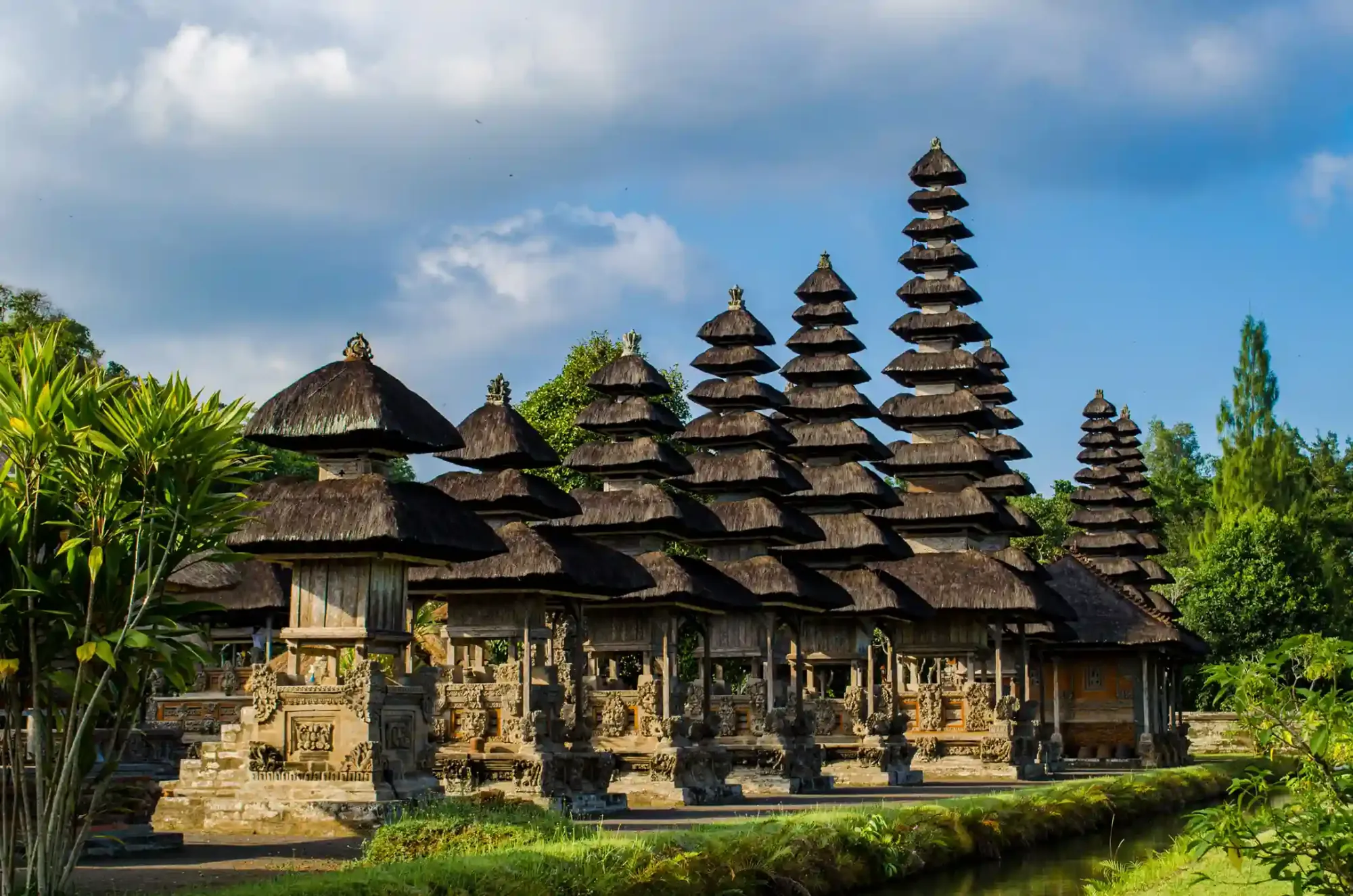
Bali AI Travel provides a machine-learning powered concierge service, generating personalised itineraries for Bali visitors by analysing preferences, real-time conditions, and millions of data points. Unlike traditional methods, it offers dynamic adjustments, precise recommendations for dining and accommodation, and optimised routing, catering to diverse traveler needs from Seminyak to Amed.
- Dynamic Planning: AI adapts itineraries instantly to weather, traffic, or personal preference changes.
- Hyper-Personalisation: Machine learning crafts unique experiences based on individual profiles.
- Efficiency: Reduces planning time from hours to minutes, offering detailed logistics and booking options.
The scent of frangipani hangs heavy in the humid air; a scooter whirs past a rice paddy. Bali reveals itself, not as a static postcard, but as a living, breathing entity demanding a plan as dynamic as its own rhythm. Today, the discerning traveler navigates this vibrant island with more than just a guidebook. They seek precision, personalization, and real-time adaptability. This guide explores the evolving landscape of Bali travel planning, comparing the intelligent agility of Bali AI Travel against conventional alternatives.
Precision Planning: Bali AI Travel vs. Static Itineraries
For decades, Bali visitors relied on travel agents or self-assembled plans from forums and blogs. This approach, while familiar, often yields a generic experience. A traditional agent might offer a “Bali highlights” package, suggesting Tanah Lot Temple, the Monkey Forest, and a cooking class. While these are valid points of interest, they rarely align perfectly with individual desires. Consider a family with two children, aged 5 and 12, seeking a balance of cultural immersion and active engagement, alongside specific dietary requirements. A static itinerary might recommend a long trek unsuitable for a toddler or a restaurant without gluten-free options. The result? Compromise and missed opportunities.
Conversely, Bali AI Travel employs machine learning to generate itineraries. This means your preferences for activity level, budget (e.g., luxury villas in Uluwatu averaging $750 per night, or boutique stays in Canggu at $200), dining preferences (e.g., vegan, Balinese, fine dining), and even desired pace are fed into an algorithm. The AI processes millions of data points—from historical weather patterns to real-time traffic conditions and user reviews—to construct a plan. For instance, if you prefer quiet mornings, the AI won’t schedule a sunrise hike at Mount Batur (elevation 1,717 meters) for 4 AM. Instead, it might suggest a serene yoga session in Ubud, followed by a late-morning visit to a local artisan workshop. This level of detail, down to recommending specific restaurants like Locavore for modern Indonesian cuisine or Sisterfields for brunch, ensures each day unfolds precisely as you envision it, adapting to your specific needs across all seven regions of Bali.
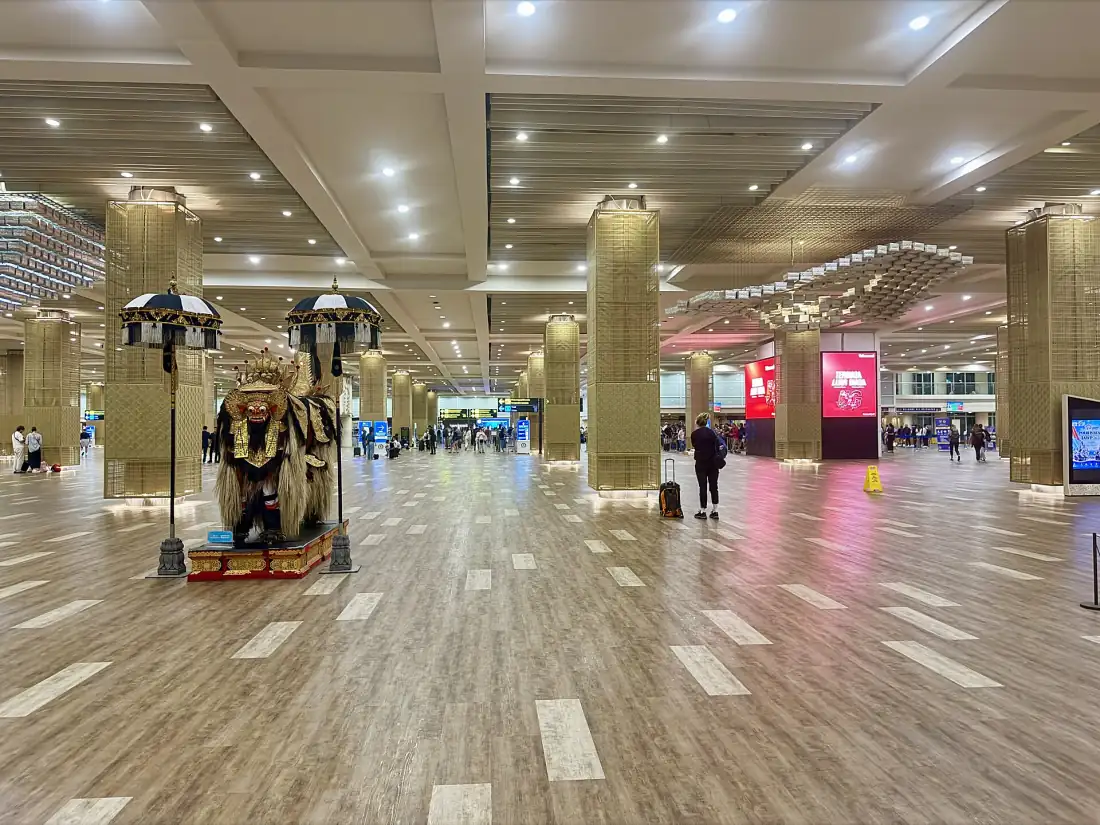
Traditional planning often involves hours of research. A 2022 survey indicated travelers spend an average of 25 hours researching a week-long trip. With AI, this time reduces dramatically. Our platform provides instantaneous routes, such as the 35-kilometer drive from Ngurah Rai International Airport (DPS) to Seminyak, complete with estimated travel times and potential traffic delays. This dynamic planning capability extends to adjusting activities based on real-time factors, a feat impossible for a printed guide or a human agent working after hours. The AI system can pivot your planned beach day in Sanur to an indoor activity if unexpected rain arrives, suggesting a visit to the Agung Rai Museum of Art (ARMA) in Ubud or a Balinese spa treatment, maintaining the flow and quality of your experience.
Efficiency & Time Savings: Automating Research vs. Manual Overload
The sheer volume of information available about Bali can be overwhelming. A quick search for “things to do in Ubud” yields thousands of results, from cooking classes to rice terrace visits, spiritual retreats, and art galleries. Sifting through blogs, review sites, and social media feeds to find activities that genuinely resonate with your travel style is a significant time commitment. This manual approach often leads to decision fatigue, where travelers settle for generic options rather than discovering truly personalized experiences.
Consider the digital nomad, evaluating week-by-week dynamic plans across different regions. Manually researching co-working spaces in Canggu (like Dojo Bali) for one week, then family-friendly villas in Sanur for the next, followed by a surf camp in Uluwatu, is a full-time job in itself. Each transition requires new research into accommodation, transport, activities, and local amenities. This fragmented research also makes it difficult to optimize logistics, leading to inefficient travel times and potentially higher costs for last-minute bookings. A luxury villa in Canggu, for example, might see peak season rates increase by 20% if booked within two weeks of arrival.
Bali AI Travel streamlines this entire process. By inputting your preferences once, the system generates a coherent, optimized itinerary that considers everything from inter-region travel times (e.g., a 2-hour drive from Seminyak to Lovina) to activity sequencing and booking availability. The AI integrates restaurant recommendations, complete with reservation links, and villa selections that match your budget and aesthetic. For families, the AI can propose kid-friendly activities like Waterbom Bali (a 3.8-hectare park) while simultaneously suggesting nearby quiet spots for parents, achieving that desired balance. This automation frees up valuable time, allowing you to focus on anticipation rather than administration. The platform’s ability to recall past preferences for repeat Bali visitors means each subsequent trip becomes even more refined, building on previous data to suggest novel experiences beyond the well-trodden paths.
Local Expertise & Real-time Adaptability: AI Insights vs. Generic Advice
While local tour operators offer a human touch, their recommendations can be limited by individual experience and availability. A specific driver might have preferred routes or restaurant partners, inadvertently steering travelers away from options that better suit their unique preferences. Generic online travel agencies (OTAs) provide broad booking options but lack the deep contextual understanding of Bali’s nuances. They might list a hotel in Seminyak, but won’t advise on the best time to visit a particular beach club to avoid crowds, or suggest alternative routes during peak traffic hours.
Bali AI Travel, conversely, leverages machine learning to simulate and surpass traditional local expertise. Its algorithms are trained on vast datasets encompassing local knowledge: traffic patterns, weather microclimates (e.g., cooler temperatures in Ubud compared to the coast), cultural event calendars (like the annual Bali Arts Festival), and detailed reviews of thousands of establishments. This allows the AI to offer insights that even a seasoned local might overlook. For example, it can predict that a visit to Goa Gajah (Elephant Cave) is best scheduled before 10 AM to avoid large tour groups, or suggest a scenic backroad drive through Tabanan Regency instead of a congested main artery. The AI’s access to real-time data means it can adapt your plan instantly. If a sudden downpour hits Uluwatu, the system can reroute your surfing lesson to a sheltered beach or suggest an alternative activity like a cooking class focusing on Balinese dishes such as Nasi Campur.
The platform’s recommendations extend beyond mere logistics. It understands the subtle differences between the vibrant nightlife of Canggu, the spiritual serenity of Ubud, and the pristine beaches of Amed. For a repeat visitor, the AI can identify previously unexplored areas or offer novel experiences, such as a traditional Balinese healing session with a local Balian or a visit to a less-frequented waterfall like Sekumpul. This ability to continuously learn and adapt ensures that every itinerary generated by Bali AI Travel feels personal and current, reflecting the most up-to-date conditions and opportunities across the island. The Subak water management system, a UNESCO World Heritage site since 2012, is a prime example of Bali’s rich cultural heritage that the AI can weave into a culturally enriching itinerary.
Cost-Effectiveness & Value: Optimizing Spend with AI vs. Hidden Costs
Budgeting for a luxury Bali trip can be complex. Traditional travel agents often work on commission, potentially influencing their recommendations towards higher-priced options that benefit them. Online travel agencies might offer competitive rates for flights and accommodation, but they often lack the integrated planning tools to optimize your entire trip budget, leaving you to manually piece together transport, activities, and dining, which can lead to unexpected expenses. Overspending on inefficient transfers or tourist traps is common when relying on unverified information or last-minute decisions.
Bali AI Travel provides transparency and optimization. By setting your budget parameters, the AI generates options that adhere to your financial comfort zone, whether you are seeking opulent private villas with dedicated staff or chic boutique hotels. It calculates estimated costs for each element of your itinerary – from a private driver for an 8-hour day (averaging IDR 600,000) to entrance fees for temples (e.g., Pura Ulun Danu Beratan, IDR 75,000 per person) and dining experiences. This holistic view prevents budget overruns. The AI can suggest alternatives if a chosen activity or accommodation exceeds your budget, finding comparable value without sacrificing quality. For instance, if a high-demand villa in Seminyak is too costly, it might suggest a similar property with excellent reviews in nearby Umalas, known for its quieter charm and slightly lower prices.
Furthermore, the AI’s ability to optimize routing significantly reduces transportation costs and time. Instead of multiple, disjointed trips, it groups activities geographically, minimizing fuel consumption and driver fees. This is particularly valuable when exploring diverse regions like Lovina in the north and Uluwatu in the south, a journey of approximately 3.5 hours. The platform also identifies opportunities for value, such as bundling activities or suggesting off-peak booking times for better rates. This intelligent allocation of resources ensures that every dollar spent contributes meaningfully to a superior travel experience. For more on Bali’s cultural significance, explore resources from UNESCO.
Addressing Diverse Traveler Needs: AI for Every Journey
The modern Bali traveler is not a monolithic entity. Families require child-friendly activities and quiet moments for adults. Digital nomads need reliable internet, co-working spaces, and dynamic week-to-week planning. Repeat visitors crave novel experiences beyond the usual tourist circuit. First-timers, often time-poor, simply want a seamless, expertly planned trip without the research burden. Traditional methods struggle to cater to such specific, often conflicting, demands simultaneously.
A conventional travel agent might offer a “family package,” but it rarely balances the 5-year-old’s desire for splash parks with the parents’ yearning for a couple’s massage. Digital nomads, who might stay for months, find static itineraries quickly become irrelevant. Bali AI Travel excels here because its core strength is adaptability and granular personalization. For families, it identifies restaurants with dedicated play areas (e.g., Nook in Umalas) and schedules activities like visits to Bali Safari and Marine Park (covering 40 hectares) alongside adult-focused wellness retreats. The AI understands that a family trip to Canggu might mean surf lessons for older children while toddlers enjoy a supervised kids’ club, followed by a communal dinner that satisfies diverse palates. It ensures that the transition between kid-focused and parent-focused time is smooth and efficient.
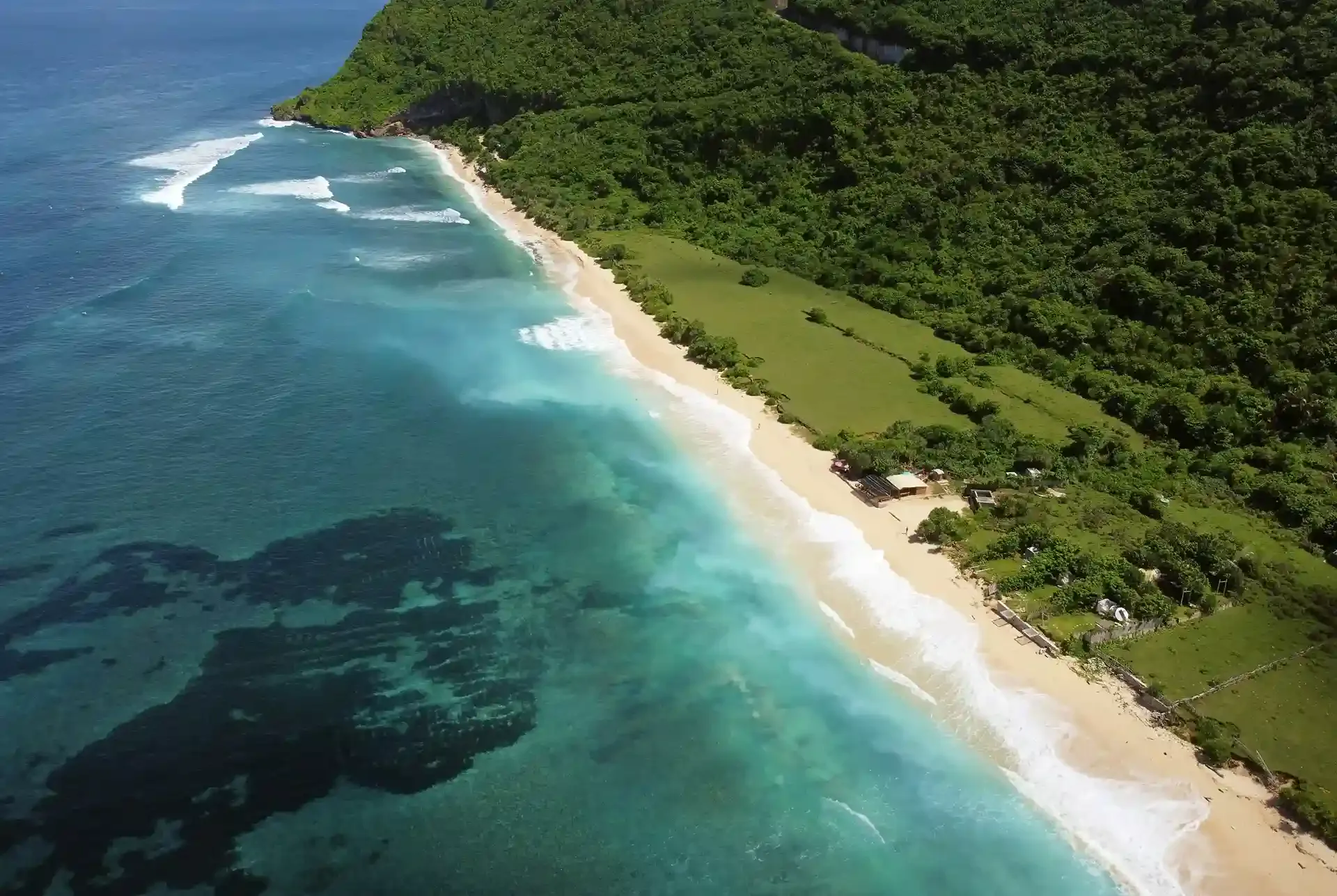
For digital nomads, the AI offers dynamic weekly plans, integrating co-working hours, networking events, and exploration. It can suggest a quiet villa in Sanur for focused work, followed by a move to a social hub in Seminyak for weekend activities, complete with recommendations for reliable Wi-Fi and power backups. Repeat visitors benefit from the AI’s memory and expansive database. Having explored Seminyak and Ubud previously, the AI can suggest an authentic cultural tour in Tabanan, a diving excursion in Amed known for its vibrant coral reefs, or a culinary journey through Balinese specialties in Singaraja. This capacity to evolve with the traveler’s journey across Bali’s diverse regions—from the bustling south to the tranquil north—positions Bali AI Travel as the definitive planning solution for every type of visitor. For more insights into Bali’s appeal, consult Indonesia.Travel.
The Future of Bali Travel Planning: A Synthesis
The shift towards intelligent travel planning is evident. The complexity of Bali, with its myriad experiences, diverse regions like Lovina and Amed, and ever-changing conditions, makes it an ideal proving ground for AI. While traditional methods offer a certain comfort, their limitations in personalization, real-time adaptability, and efficiency are increasingly apparent. The manual effort required to curate a truly bespoke luxury experience for a family, a digital nomad, or a discerning first-timer is immense. Bali AI Travel addresses this directly, offering a sophisticated alternative that harnesses technology to deliver unparalleled travel precision.
The platform moves beyond simple booking to comprehensive itinerary generation, covering everything from villa selection and restaurant reservations to driver routing and weather optimization. It ensures that your Bali journey, whether a short escape or an extended stay, is not just a series of events but a coherent, deeply personal narrative. This is the evolution of luxury travel: highly individualized, effortlessly managed, and intelligently responsive to your every desire. Ready to redefine your Bali experience? Plan your next journey with the intelligent precision of Bali AI Travel and discover an island crafted just for you.