
Exclusive Architectural Designs in Indonesian Luxury Hotels
Explore the exclusive architectural designs in Indonesian luxury hotels, where modern elegance meets traditional craftsmanship. Discover how these architectural marvels enhance your stay, offering unique experiences that are deeply rooted in Indonesia's rich cultural…
Updated 8 min read
In this article
- 01Indonesian Architecture: A Blend of Tradition and Modernity
- 02Architectural Innovation in Bali's Luxury Accommodations
- 03The Role of Culture and History in Hotel Design
- 04Sustainable Luxury: Eco-Conscious Architectural Practices
- 05Modern Design Trends in Indonesian Luxury Hotels
- 06Seasonal Considerations for Architectural Design
- 07Culinary Architecture: Designing Spaces for Dining Experiences
Explore the exclusive architectural designs in Indonesian luxury hotels, where modern elegance meets traditional craftsmanship. Discover how these architectural marvels enhance your stay, offering unique experiences that are deeply rooted in Indonesia’s rich cultural heritage and natural beauty.
Indonesian Architecture: A Blend of Tradition and Modernity
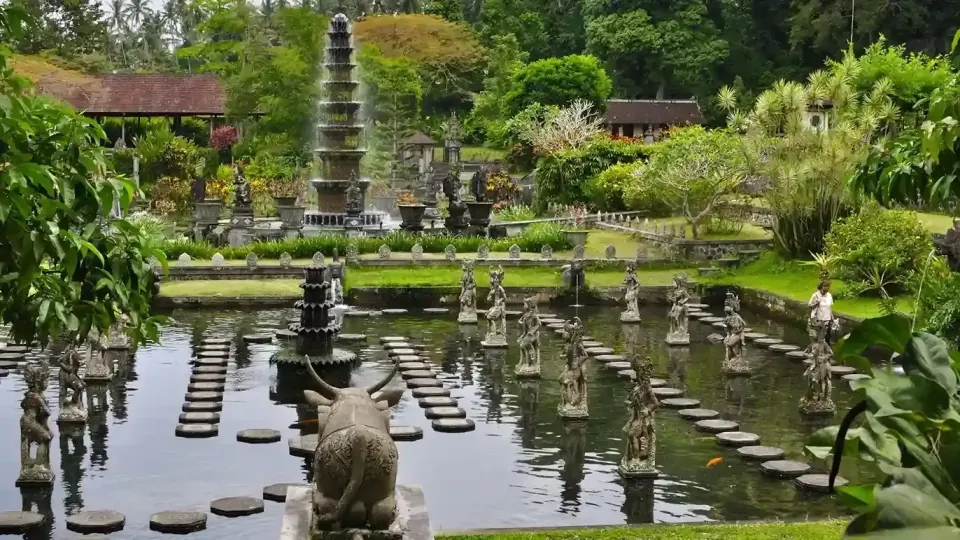
Indonesian luxury hotels are renowned for their intricate architectural designs that harmoniously blend traditional Indonesian aesthetics with modern comforts. The architecture often incorporates elements of local culture and history, using materials like bamboo, teak wood, and volcanic stones, which are abundant in the region. This blend creates a warm and inviting atmosphere while maintaining an air of sophistication.
For instance, the Amanjiwo hotel in Yogyakarta is a prime example of this unique architectural style. Inspired by the ancient Borobudur Temple, which is located nearby and accessible for a USD 60 visit, Amanjiwo features grand stone arches and symmetrical design patterns. The hotel’s architecture is a tribute to the Buddhist cosmology represented in the temple, providing a smooth connection between cultural heritage and luxury accommodation. The location is perfect for visitors who wish to explore the UNESCO World Heritage site of Borobudur, with Amanjiwo offering tailored experiences that engage guests in the historical and spiritual essence of the region.
Furthermore, the design elements found at Amanjiwo extend beyond aesthetics to functionality, ensuring that guests experience contemporary luxury while staying connected to the natural environment. The use of local materials not only supports the region’s economy but also ensures that the hotel blends seamlessly with its surroundings, offering panoramic views of Mount Merapi and the lush Kedu Plain.
Architectural Innovation in Bali’s Luxury Accommodations
Bali is home to some of Indonesia’s most innovative luxury hotels, where architecture plays a crucial role in enhancing the guest experience. Resorts such as the Alila Villas Uluwatu are celebrated for their eco-friendly design and spectacular cliff-side location. The architecture utilizes an open-plan concept, allowing guests to enjoy uninterrupted views of the Indian Ocean while preserving the natural landscape.
Another excellent example is the COMO Shambhala Estate, which integrates wellness and architecture in its design. Surrounded by lush tropical forests, the estate features open-air pavilions and natural stone pools, creating a tranquil sanctuary. The architectural design here emphasizes the connection between indoor and outdoor spaces, which is ideal during Indonesia’s dry season, from May to September, when the weather is perfect for outdoor activities. During these months, guests can participate in yoga sessions or forest treks that are seamlessly integrated into the resort’s offerings, allowing them to reconnect with nature and rejuvenate their senses.
Bali’s resorts also focus on cultural sensitivity, ensuring that their designs do not disrupt the island’s spiritual and ecological balance. By working with local craftsmen and artists, these hotels preserve Bali’s artistic traditions while offering guests an authentic and luxurious stay. The integration of local customs and sustainable practices not only enhances aesthetic beauty but also contributes to the conservation of Bali’s unique cultural landscapes.
The Role of Culture and History in Hotel Design
Culture and history play a pivotal role in the architectural design of Indonesian luxury hotels. Many establishments draw inspiration from local traditions and historical sites, ensuring that each property tells a unique story. The design often incorporates traditional motifs and techniques, such as intricate wood carvings and batik patterns, which are quintessentially Indonesian.
The Hotel Tugu Lombok, for example, is Indonesia’s rich cultural notable. The hotel is adorned with an extensive collection of Indonesian antiques and artifacts, and its design reflects the artistic heritage of the Sasak people, the indigenous inhabitants of Lombok. Each suite is themed and decorated with cultural artifacts, offering guests a Indonesian history and artistry. Visitors can explore the local area to discover traditional Sasak villages, where they can witness the creation of pottery and weaving, offering a rich cultural immersion.
Moreover, the integration of cultural motifs in design is not limited to aesthetic appeal. These elements often serve as educational touchpoints, inviting guests to learn about Indonesia’s diverse cultural heritage. From attending traditional dance performances to participating in local craft workshops, guests at hotels like Tugu Lombok gain a deeper understanding of the country’s history and cultural evolution.
Sustainable Luxury: Eco-Conscious Architectural Practices
Sustainability is a key consideration in the architectural design of many Indonesian luxury hotels. The adoption of eco-friendly building practices not only helps preserve the natural environment but also enhances the guest experience. Many hotels implement green initiatives such as rainwater harvesting, energy-efficient lighting, and the use of locally sourced materials to minimize their environmental footprint.
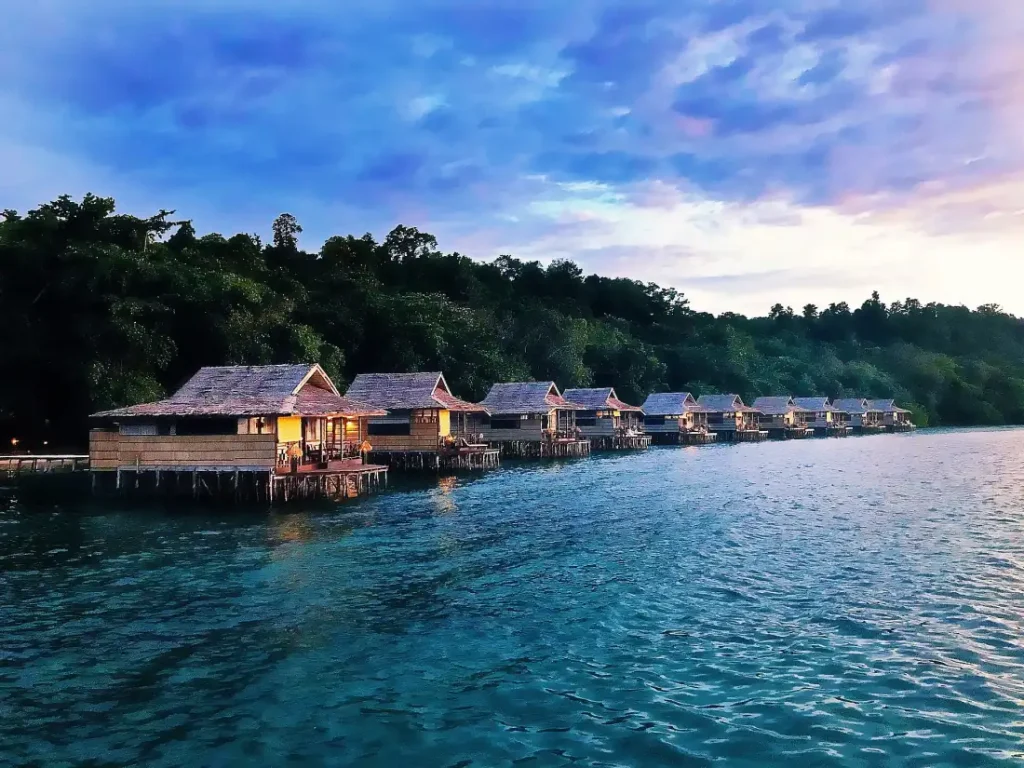
The Bambu Indah in Bali is a pioneer in sustainable luxury, with a design philosophy centered around environmental stewardship. This eco-resort uses bamboo and reclaimed teak wood in its construction, offering guests an eco-conscious retreat without compromising on comfort or style. The architecture is designed to be in harmony with the natural surroundings, providing a serene setting for relaxation and reflection.
Bambu Indah not only focuses on sustainability in its architecture but also in its daily operations. The resort employs practices such as organic farming, which supplies fresh produce to its on-site restaurant, ensuring guests can enjoy farm-to-table dining experiences. This commitment to sustainability extends to offering educational programs that highlight the importance of environmental conservation, allowing guests to engage with and learn about eco-friendly practices during their stay.
Modern Design Trends in Indonesian Luxury Hotels
While traditional and eco-friendly designs are prominent, modern design trends are also making their mark in Indonesian luxury hotels. These trends often incorporate minimalist aesthetics, high-tech amenities, and multifunctional spaces to cater to the evolving preferences of luxury travelers.
The Katamama Suites in Bali exemplifies this modern approach, with its minimalist design and emphasis on craftsmanship. The hotel features custom-made furniture and locally crafted décor, showcasing contemporary Indonesian art and design. Each suite is equipped with state-of-the-art technology, ensuring guests enjoy the utmost in comfort and convenience during their stay.
Katamama’s design ethos revolves around the concept of “handcrafted hospitality,” where every aspect of the guest experience is curated to reflect quality and artistry. The hotel collaborates with Indonesian artisans to create one-of-a-kind pieces, from ceramics to textiles, which adorn the suites. This fusion of modernity and tradition creates a unique space that appeals to discerning travelers seeking both comfort and cultural authenticity.
Seasonal Considerations for Architectural Design
The architectural design of Indonesian luxury hotels often takes into account the country’s tropical climate, particularly the wet and dry seasons. Architects design spaces that maximize natural ventilation and shade, making them comfortable year-round. This is particularly important during the dry season, from May to September, when guests are likely to engage in outdoor activities and excursions.
Hotels like the Nihi Sumba Island are designed to take full advantage of the dry season’s favorable conditions. The resort’s open-air design and lush gardens create a refreshing environment, perfect for enjoying the outdoor adventures that the island offers. The thoughtful architectural design ensures that guests can experience the beauty of Indonesia’s landscapes in comfort and style.
The dry season also allows for unique outdoor experiences, such as horseback riding on Sumba’s notable beaches or exploring the island’s traditional villages. Nihi Sumba Island’s architectural design supports these activities by providing easy access to outdoor spaces and amenities, ensuring that guests can fully engage themselves in the island’s natural beauty and cultural heritage.
Culinary Architecture: Designing Spaces for Dining Experiences
The design of dining spaces in Indonesian luxury hotels is a critical component of the overall guest experience. These spaces are often crafted to complement the culinary offerings, creating an atmosphere that enhances the enjoyment of food. Many hotels integrate local materials and design elements to provide an authentic dining experience that is both visually and gastronomically satisfying.
At the Amanjiwo hotel in Yogyakarta, the restaurant offers striking views of the surrounding rice fields and the Menoreh Hills, creating a serene backdrop for enjoying traditional Javanese cuisine. The architectural design of the dining area incorporates local stone and wood, providing a warm and inviting ambiance that reflects the flavors of the region. Dining here is not just about the food; it is an immersive experience that engages all the senses.
Similarly, the Ayana Resort in Bali offers a variety of dining venues, each with a distinct architectural style that complements its culinary theme. The Rock Bar, for instance, is perched on natural rocks 14 meters above the Indian Ocean, providing remarkable sunset views. This innovative design not only offers an memorable setting but also integrates seamlessly with the natural environment, enhancing the overall dining experience.
FAQs
Q? What are some iconic examples of architectural design in Indonesian luxury hotels? A: The Amanjiwo hotel in Yogyakarta, Alila Villas Uluwatu in Bali, and Hotel Tugu Lombok are iconic examples, each showcasing unique architectural elements that reflect Indonesia’s cultural heritage.
Q? How do Indonesian luxury hotels incorporate sustainability into their architectural design? A: Many hotels integrate eco-friendly practices such as using sustainable materials, energy-efficient systems, and water conservation techniques to minimize their environmental impact while enhancing guest experiences.
Q? What is the best time to visit Indonesia for experiencing its luxury hotels? A: The dry season, from May to September, is ideal for visiting as the weather is perfect for enjoying outdoor activities and experiencing the architectural beauty of luxury hotels in Indonesia.
For wider arrangements, our partner baliluxurytransport can coordinate end to end.
See also: Emerging Luxury Destinations Beyond Bali in Indonesia, How Technology Shapes Indonesian Luxury Travel Future · Home.




Leave a Reply