
Environmental Consciousness in Indonesian High-End Tourism
Environmental Consciousness in Indonesian High-End Tourism Indonesia's luxury tourism sector embraces environmental consciousness by integrating sustainable practices and eco-friendly initiatives. High-end resorts and tour operators are increasingly prioritizing conservation efforts, offering eco-tours, and promoting…
7 min read
In this article
- 01Responsible Luxury Travel in Indonesia
- 02Sustainable Practices in High-End Resorts
- 03Eco-Tourism and Conservation Efforts
- 04Environmental Impact of High-End Tourism
- 05Seasonal Considerations for Eco-Friendly Luxury Travel
- 06Enhancing Local Communities Through Luxury Tourism
- 07Investment in Renewable Energy for Luxury Resorts
Indonesia’s luxury tourism sector embraces environmental consciousness by integrating sustainable practices and eco-friendly initiatives. High-end resorts and tour operators are increasingly prioritizing conservation efforts, offering eco-tours, and promoting responsible travel experiences to protect Indonesia’s natural beauty while providing exceptional luxury services.
Responsible Luxury Travel in Indonesia
Indonesia’s commitment to sustainable tourism is evident in the operations of its luxury resorts and tour operators. Resorts like Nihiwatu on Sumba Island have implemented programs supporting local communities and conserving natural resources. The resort contributes a portion of its profits to the Sumba Foundation, which funds clean water projects, health clinics, and educational programs. This model of responsible tourism ensures that while guests enjoy high-end amenities, they also contribute to the preservation of the local environment and culture. Nihiwatu has won numerous awards for its sustainability efforts, further underlining the resort’s dedication to environmental stewardship.
Another prime example is the Ritz-Carlton Reserve in Mandapa, Ubud, which integrates sustainable practices such as energy-efficient lighting and water conservation systems. The resort also works closely with local farmers to source organic produce, reducing carbon footprints associated with food transportation. Additionally, Mandapa offers educational tours of its rice paddies and organic gardens, allowing guests to learn firsthand about sustainable agriculture. By choosing to stay at these environmentally-conscious resorts, travelers can enjoy luxury while knowing they are supporting sustainable tourism practices.
Sustainable Practices in High-End Resorts
High-end resorts in Indonesia have been at the forefront of implementing sustainable practices to minimize their environmental impact. For instance, Bawah Reserve in the Anambas Archipelago operates on a zero-waste policy, where waste is recycled or composted, and all water is treated and reused. The resort generates its own electricity through solar panels and employs desalination to provide fresh water, ensuring minimal impact on the surrounding marine ecosystem. The Anambas Archipelago itself is a protected marine area, and Bawah Reserve’s commitment to sustainability helps protect its notable environments.
Similarly, the Alila Villas Uluwatu are designed with environmentally sustainable architecture that includes open layouts to maximize natural ventilation and lighting, reducing the need for air conditioning and artificial light. The resort also participates in beach clean-up activities and supports local conservation projects, reflecting a strong commitment to environmental sustainability that guests can witness and participate in during their stay. Alila Villas also organizes workshops on sustainable design, providing insights into eco-friendly architecture.
Eco-Tourism and Conservation Efforts
Eco-tourism has gained popularity in Indonesia as travelers seek to experience the country’s natural beauty responsibly. Tour operators in areas such as Bali and Lombok offer eco-friendly tours that include activities like snorkeling with marine biologists to learn about coral conservation or guided hikes in national parks to understand reforestation efforts. These tours not only provide educational experiences but also contribute financially to local conservation initiatives. In Bali, the Green School offers visitors a chance to see sustainable education in practice and learn about permaculture.
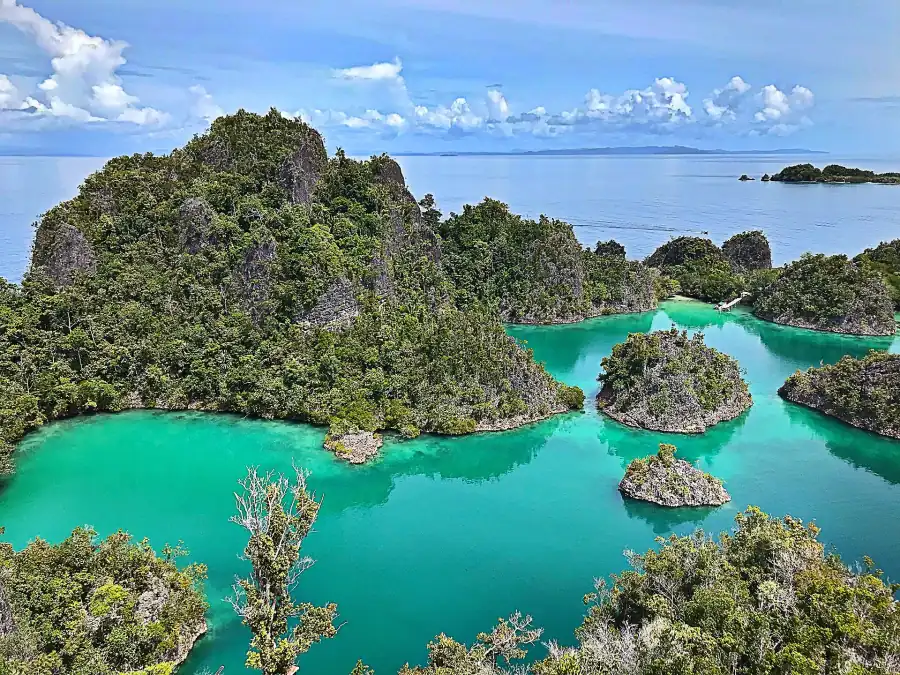
Raja Ampat, with its renowned marine biodiversity, offers eco-tours with a focus on marine conservation. Visitors can join conservation programs that involve activities like reef monitoring and sea turtle conservation. By participating in these tours, guests actively contribute to the protection and restoration of Indonesia’s critical ecosystems while enjoying unique and luxurious experiences. The cost of these conservation-focused tours can vary, with prices ranging from USD 100 to USD 300, depending on the duration and activities involved.
Environmental Impact of High-End Tourism
The environmental impact of tourism, particularly in luxury settings, has been a concern for Indonesia. However, many high-end operators are addressing this through innovative solutions. The private island resort of Cempedak, for instance, emphasizes sustainability by using renewable energy sources and constructing buildings from bamboo, a sustainable material. The resort’s commitment to reducing its ecological footprint is evident in its operations and guest experiences. Cempedak’s eco-friendly design seamlessly integrates with the natural landscape, offering guests an immersive nature experience.
Additionally, the Amanjiwo hotel in Yogyakarta, located near the Borobudur temple, provides guests with eco-friendly transportation options to explore the area. By using electric vehicles and bicycles, the hotel minimizes carbon emissions while offering smooth and luxurious transportation services for its guests. Such initiatives highlight a growing trend in the luxury tourism sector towards reducing environmental impact while offering opulent experiences. Guests can explore the nearby cultural sites at their own pace, knowing that their carbon footprint is minimal.
Seasonal Considerations for Eco-Friendly Luxury Travel
When planning a luxury eco-friendly trip to Indonesia, the dry season from May to September is ideal for outdoor activities. This period offers perfect conditions for exploring Indonesia’s rich biodiversity, from diving in the coral-rich waters of Komodo National Park to hiking in the lush rainforests of Sumatra. The dry season also coincides with numerous cultural festivals, providing a unique opportunity to experience Indonesia’s diverse traditions in a sustainable manner.
For those interested in cultural and historical experiences, visiting the Borobudur temple is best during the dry season. The Amanjiwo hotel offers exclusive packages for guests to visit the temple, with a guided sunrise tour priced at approximately USD 60. This ensures that travelers can enjoy their experiences without the disruptions of the rainy season, all while adhering to environmentally-conscious travel practices. The dry season’s clear skies enhance the temple’s striking sunrise views, making it an memorable experience.
Enhancing Local Communities Through Luxury Tourism
Luxury tourism in Indonesia has the potential to significantly benefit local communities when approached with environmental consciousness. Resorts like the Four Seasons Resort Bali at Sayan collaborate with local artisans to provide guests with authentic cultural experiences, from traditional Balinese cooking classes to workshops in local crafts. This not only enriches the guest experience but also supports local economies and preserves cultural heritage. The resort also hosts art exhibitions that showcase the work of local artists, further promoting cultural appreciation.
Furthermore, initiatives like the Bali Eco Stay promote sustainable farming practices and educate guests on organic farming techniques. By engaging with local communities and offering eco-friendly experiences, high-end tourism in Indonesia can contribute to the socio-economic development of the region while ensuring the preservation of its natural environment. Guests are encouraged to participate in farm tours, where they can learn about organic practices and even harvest their own produce.
Investment in Renewable Energy for Luxury Resorts
The shift towards sustainability in Indonesian luxury tourism is further emphasized by significant investments in renewable energy. Many high-end resorts, such as the Misool Eco Resort in Raja Ampat, are pioneering the use of solar power to meet their energy needs. By installing extensive solar panel arrays, Misool not only reduces its carbon footprint but also sets an example for other resorts in the region. The resort has also implemented energy storage solutions to ensure a consistent power supply, even during peak usage times.
In Bali, the COMO Shambhala Estate has embraced geothermal energy as part of its commitment to sustainability. This innovative approach to energy sourcing not only powers the resort’s facilities but also helps maintain the notable environment that guests come to enjoy. The investment in renewable energy not only enhances the eco-credentials of these luxury resorts but also contributes to Indonesia’s broader goals of promoting sustainable development. The upfront cost of installing renewable energy systems is often offset by long-term savings on energy expenses, making it a financially viable option for luxury resorts.
FAQs
Q? How are high-end resorts in Indonesia incorporating environmental sustainability?
A High-end resorts in Indonesia are adopting various sustainable practices such as using renewable energy, implementing waste management systems, and sourcing locally produced goods. They often engage in conservation programs and community development projects to reduce their environmental impact and support local communities.
Q? What are some eco-friendly activities available in Indonesia for luxury travelers?
A Luxury travelers can participate in eco-friendly activities like snorkeling with marine biologists, hiking with local guides to learn about flora and fauna conservation, and joining beach clean-up initiatives. Many luxury resorts also offer eco-tours focused on conservation education and wildlife protection.
Q? Why is the dry season recommended for visiting Indonesia?
A The dry season, from May to September, is optimal for outdoor activities in Indonesia due to the lower likelihood of rain, making it ideal for diving, hiking, and cultural tours. The favorable weather conditions during this period enhance the experience of visiting natural and historical sites.
For wider arrangements, our partner baliluxurytransport can coordinate end to end.
See also: Private Island Retreats in Raja Ampat Luxury Guide, Immersive Cultural Journey for Discerning Travelers Indonesia · Home.
Leave a Reply