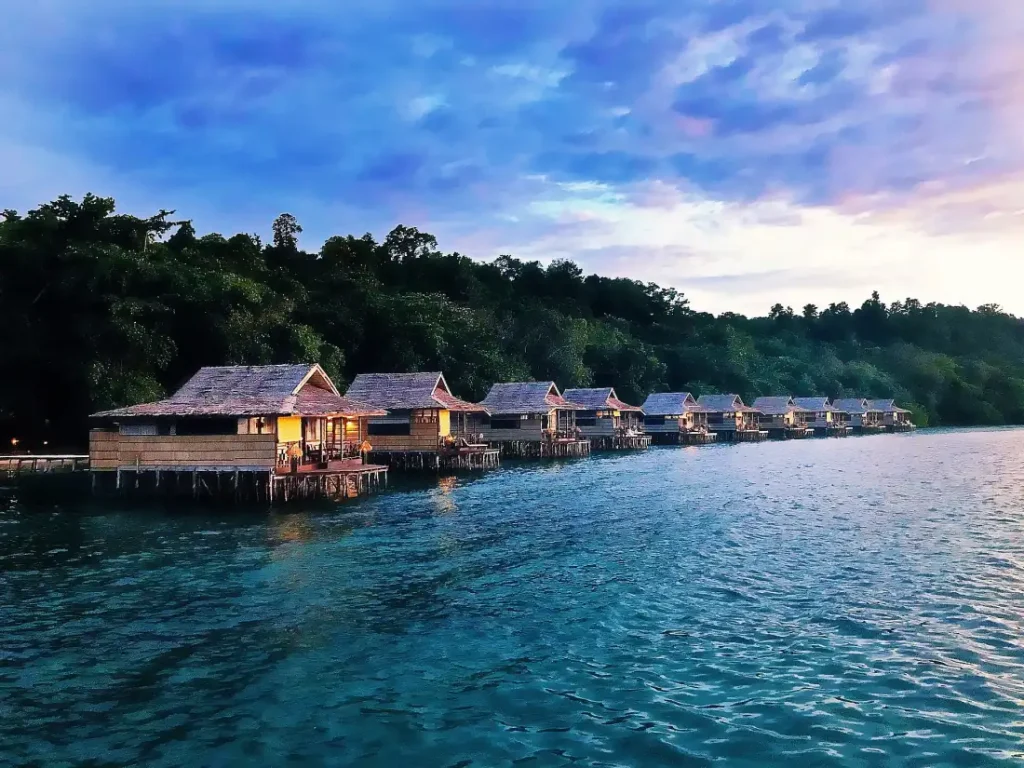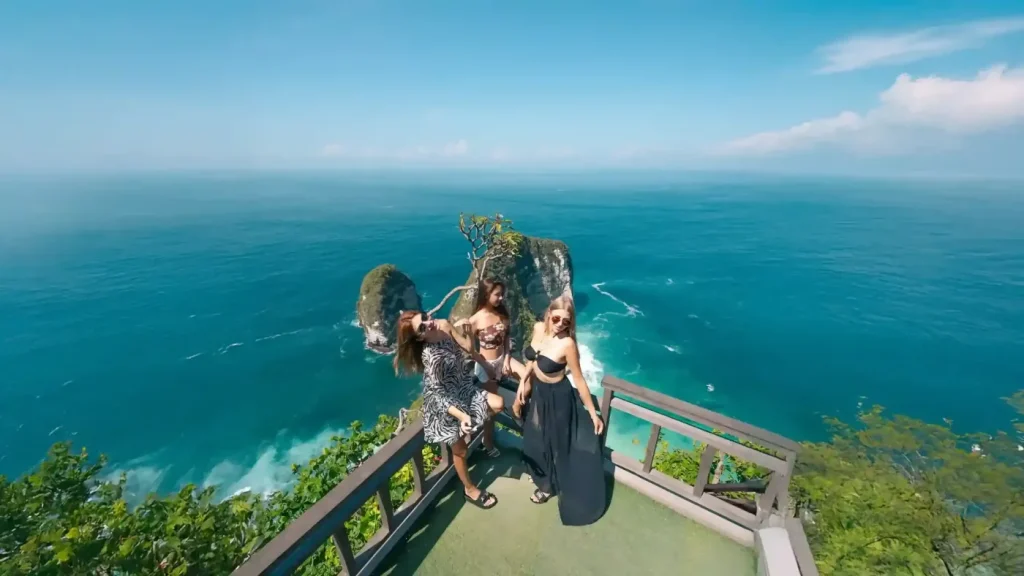
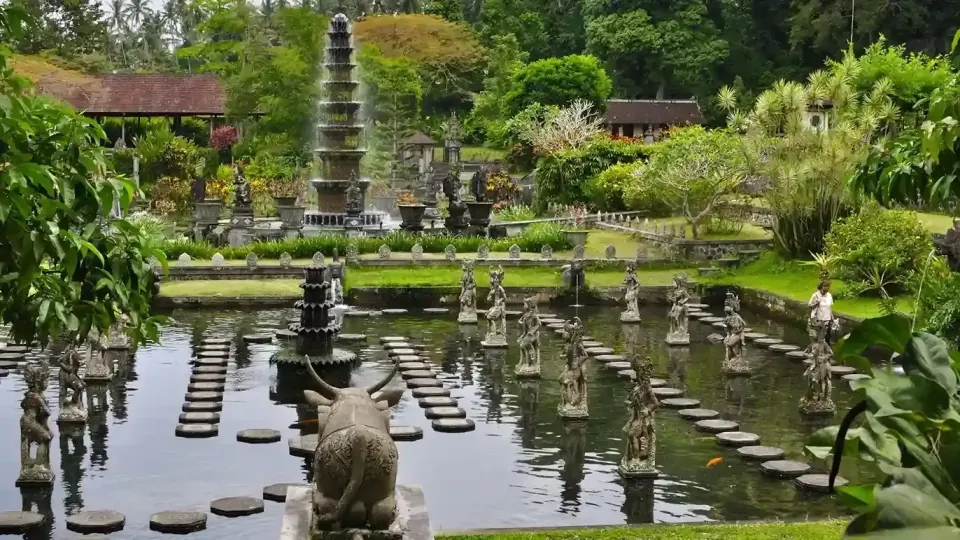
High-end tourism in Indonesia is experiencing significant revenue growth, driven by luxury accommodations, exclusive experiences, and a focus on cultural and natural attractions. The sector is leveraging Indonesia’s diverse landscapes and heritage to attract affluent visitors seeking premium travel experiences.
The Rise of Luxury Travel in Indonesia
Indonesia has become a focal point for high-end tourism, offering affluent travelers a blend of cultural richness and natural beauty. The country’s government has been proactive in promoting tourism through various initiatives, ensuring that infrastructure and facilities meet high standards. Key destinations such as Bali, Jakarta, and Yogyakarta are seeing an influx of luxury travelers, contributing significantly to the nation’s tourism revenue. Jakarta, as the capital city, combines modern luxury with traditional charm, offering high-end shopping experiences and fine dining options that attract international elites.
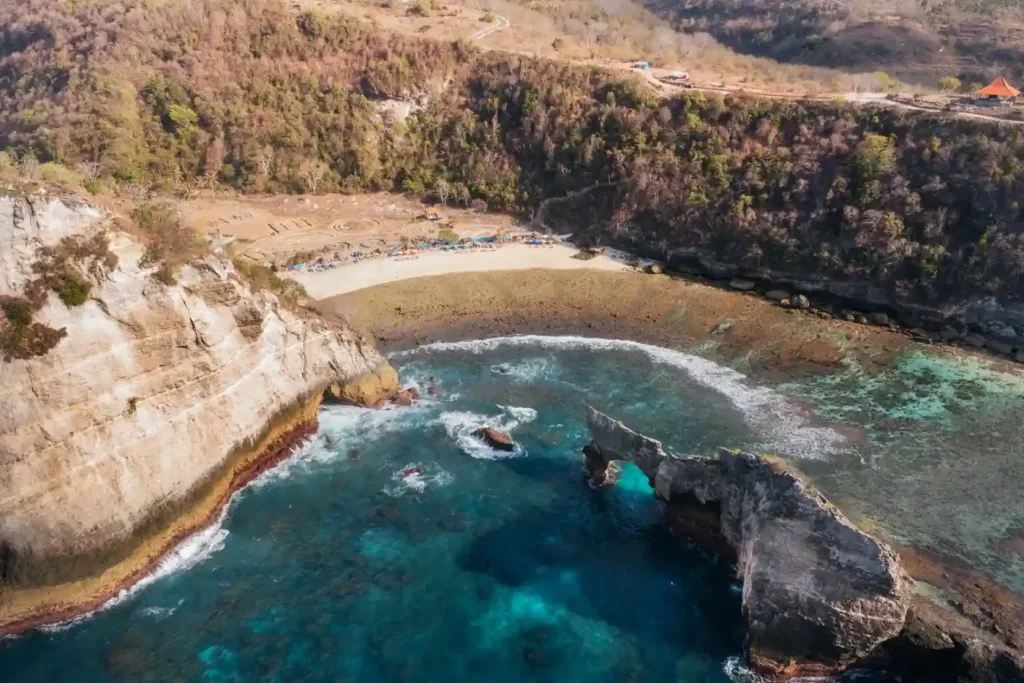
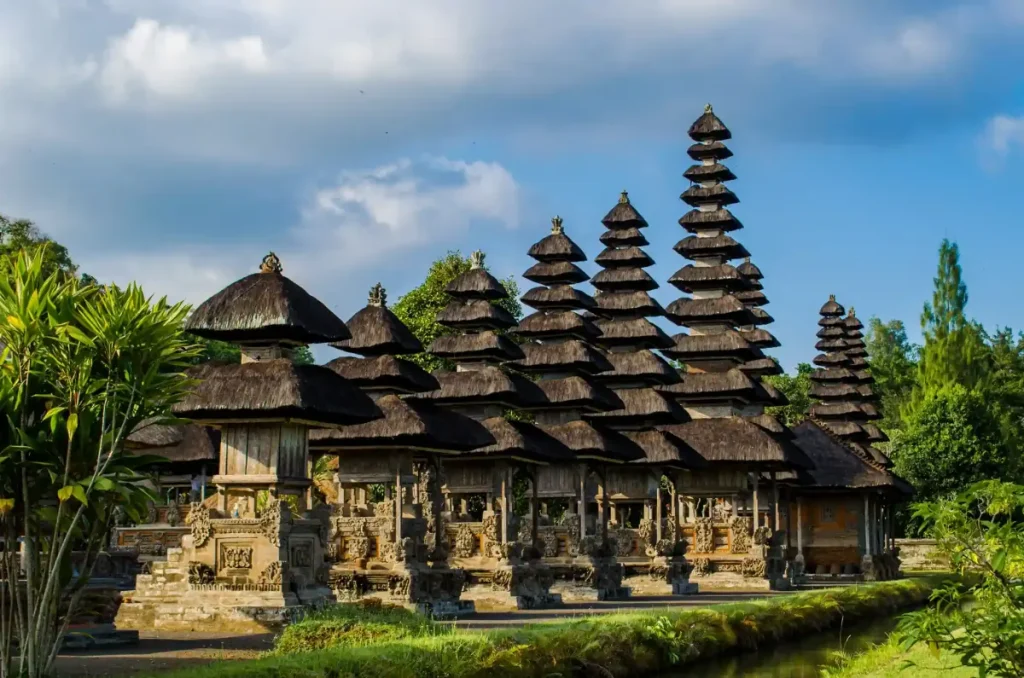
Regions like Bali have capitalized on their exotic appeal, with an array of five-star resorts and private villas catering to the needs of upscale visitors. The allure of Indonesia lies not only in its landscapes but also in its rich traditions, unique arts, and welcoming hospitality. The development of luxury accommodations and premium services has positioned Indonesia as a leader in Southeast Asia’s high-end tourism market. In Bali, the Seminyak area offers some of the most luxurious beachfront properties, where guests can enjoy personalized yoga sessions and gourmet dining with a view of the Indian Ocean.
Economic Impact of High-End Tourism
High-end tourism significantly contributes to Indonesia’s economy. In 2022, tourism accounted for approximately 4.1% of the country’s GDP, with high-end tourism making up a substantial portion of this figure. Increased spending by affluent travelers on luxury hotels, fine dining, and bespoke experiences has provided a boost to local businesses and employment. The burgeoning tourism sector has led to the creation of over 12,000 new jobs in luxury hospitality alone, spanning from hotel management to specialized tour guides.
The ripple effect of high-end tourism is seen in the growth of ancillary industries such as transport services, arts and crafts, and culinary businesses. As more high-net-worth individuals choose Indonesia as their destination, the demand for luxury goods and services rises, fostering economic growth in both urban and rural areas. Additionally, the export of local artisanal products to international markets has increased, driven by the growing interest in Indonesian culture sparked by high-end tourism exposure.
Top Destinations for Luxury Travelers
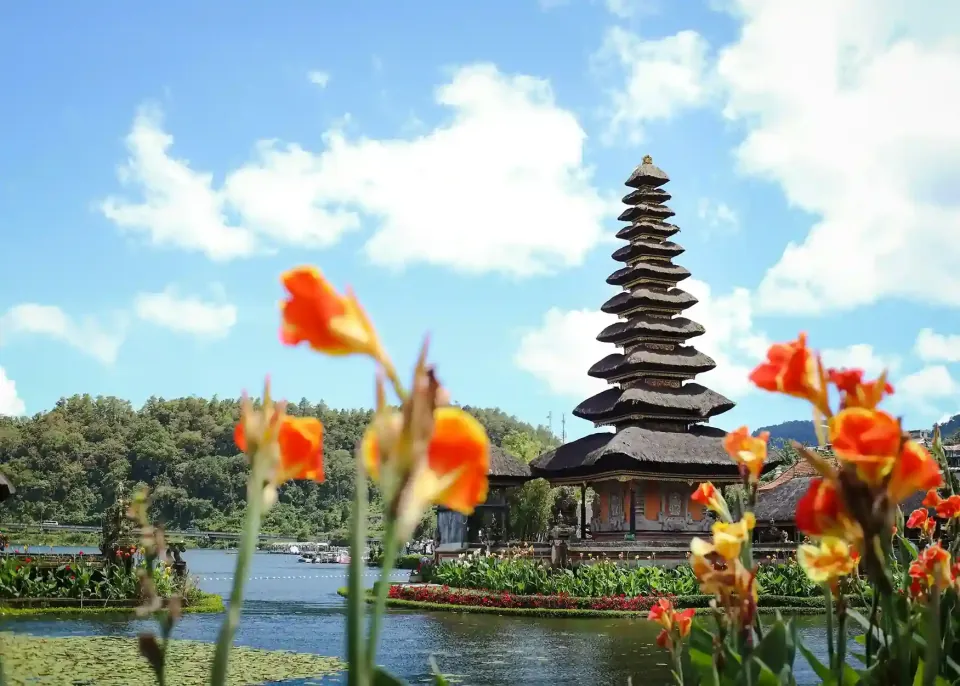
Bali continues to dominate as a prime destination for high-end travelers, offering a variety of upscale accommodations and services. Resorts like the Four Seasons and The Mulia epitomize luxury living with their comprehensive amenities and personalized services. The island’s lively culture and serene beaches make it an appealing choice for those seeking a relaxing yet sophisticated getaway. Ubud, a cultural hub in Bali, attracts visitors with its lush rice paddies and high-end wellness retreats, blending opulence with nature.
Yogyakarta, known for its historical sites, including the Borobudur temple, attracts culturally inclined travelers. The Amanjiwo hotel, with rates starting at USD 60 for temple tours, is recommended for visitors seeking a luxurious stay paired with cultural exploration. The city offers a rich historical narrative, combining luxury with education and exploration. Visitors can also explore Prambanan, a UNESCO World Heritage site, which hosts evening traditional dance performances that captivate and educate high-end travelers.
Seasonal Trends in High-End Tourism
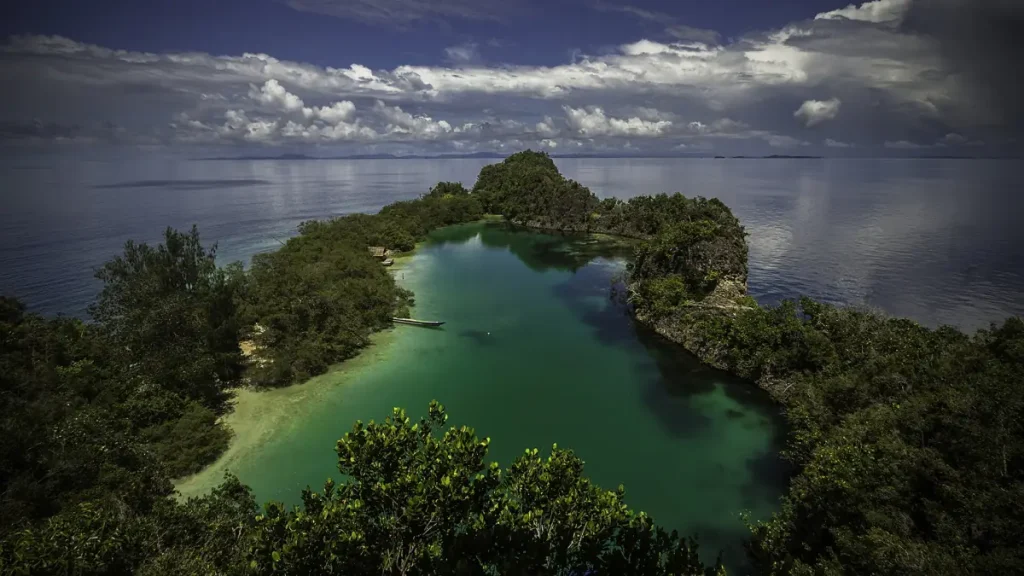
Indonesia’s dry season from May to September sees a spike in luxury tourism activities. This period is ideal for outdoor adventures such as hiking in Komodo National Park or diving in Raja Ampat. These months are characterized by pleasant weather, making them suitable for luxury travelers interested in exploring Indonesia’s natural offerings. Luxury cruises around the Komodo Islands provide an exclusive vantage point to witness the famed Komodo dragons in their natural habitat.
The wet season, from October to April, sees a shift in travel patterns, with tourists opting for cultural and wellness retreats. Luxury spas and resorts provide indoor activities and wellness programs that cater to the relaxation needs of high-end visitors, ensuring a consistent flow of tourism revenue throughout the year. In Yogyakarta, indoor art galleries and private cultural workshops offer bespoke experiences that keep luxury tourists engaged during the rainy months.
Investment in High-End Tourism Infrastructure
To sustain the growth of high-end tourism, Indonesia has substantially invested in infrastructure development. Airports in major tourist areas have been expanded to accommodate more international flights, enhancing accessibility for luxury travelers. Upgrades in road networks and telecommunications also support the smooth travel experience expected by high-end tourists. The new terminal at Bali’s Ngurah Rai International Airport, designed to handle increased traffic, exemplifies these advancements.
The government, in collaboration with private enterprises, has prioritized the development of eco-friendly luxury resorts and sustainable tourism practices. This focus not only meets the demands of environmentally conscious travelers but also ensures the preservation of Indonesia’s natural and cultural heritage for future generations. In the Gili Islands, resorts are implementing solar energy solutions and water conservation practices, setting a benchmark for sustainable luxury tourism.
Cultural and Experiential Offerings
High-end tourism in Indonesia is not just about luxury accommodations; it also emphasizes unique cultural and experiential offerings. Travelers are invited to participate in exclusive culinary tours, traditional art workshops, and bespoke cultural events. Such activities provide a deeper understanding of the local heritage and enrich the travel experience. In Bandung, high-end tourists can engage in batik workshops, learning the intricate art of this traditional textile.
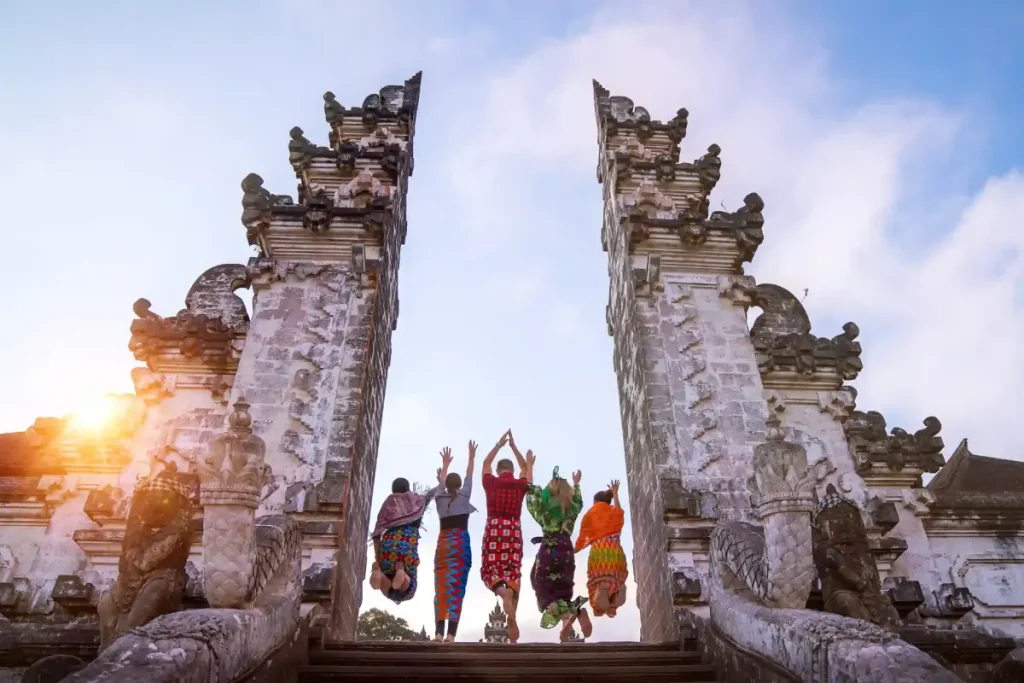
Exclusive tours to ancient temples, traditional villages, and private performances of traditional music and dance are curated to meet the high expectations of luxury travelers. These experiences not only generate revenue but also promote cultural exchange and understanding, enhancing the overall value of Indonesia as a luxury destination. Guests staying at the Amanjiwo can enjoy private gamelan performances and exclusive dining events featuring traditional Javanese cuisine.
Luxury Marine Tourism
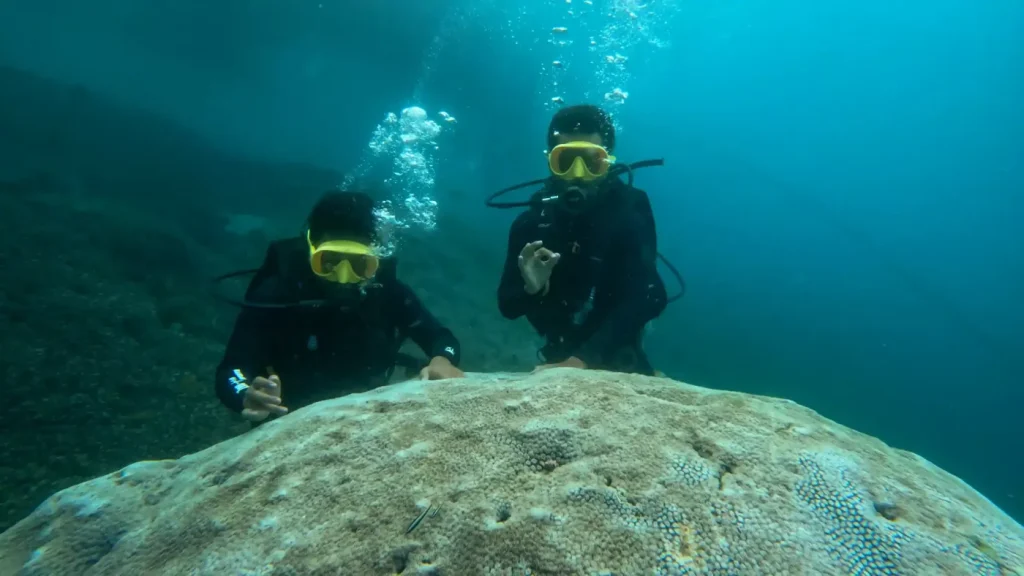
Indonesia’s vast archipelago offers opportunities for luxury marine tourism, attracting yacht enthusiasts and cruise aficionados from around the globe. The notable waters of Raja Ampat are a hotspot for luxury diving expeditions, where affluent travelers explore some of the world’s richest marine biodiversity. These trips often include private charters and personalized diving programs, tailored to the interests and skill levels of the guests.
In the Lesser Sunda Islands, luxury yacht services provide bespoke itineraries, visiting secluded beaches and remote islands while offering five-star dining experiences on board. This form of tourism not only caters to the desires of high-end travelers for exclusivity and privacy but also promotes sustainable tourism practices by encouraging low-impact travel through these sensitive environments.
FAQs
Q? What are some popular luxury travel activities in Indonesia during the dry season?
A: During the dry season, luxury travelers can enjoy activities such as hiking in Komodo National Park, diving in Raja Ampat, and staying in upscale beachfront resorts in Bali, all offering exclusive and premium services.
Q? How does high-end tourism benefit Indonesia’s local economy?
A: High-end tourism benefits the local economy by increasing spending on luxury accommodations, fine dining, and bespoke experiences, which in turn boosts local businesses, creates jobs, and stimulates economic growth in various sectors.
Q? What measures are being taken to ensure sustainable high-end tourism in Indonesia?
A: To ensure sustainable tourism, Indonesia is investing in eco-friendly resorts, enhancing infrastructure, and promoting sustainable practices among businesses in the sector, thereby protecting cultural and natural assets while catering to luxury travelers.
For wider arrangements, our partner baliluxurytransport can coordinate end to end.
See also: Serene Beaches of Bali for Luxury Travelers Guide, Untouched Jungles of Sumatra Luxury Travel Overview · Home.