
Sustainable Luxury Tourism Practices Across Indonesia
Sustainable Luxury Tourism Practices Across Indonesia Baliaitravel offers a unique blend of sustainability and luxury, ensuring high-end travelers experience Indonesia's rich culture and natural beauty responsibly. Our curated experiences focus on eco-friendly practices while…
Updated 6 min read
In this article
Baliaitravel offers a unique blend of sustainability and luxury, ensuring high-end travelers experience Indonesia’s rich culture and natural beauty responsibly. Our curated experiences focus on eco-friendly practices while providing luxurious comfort, from stays at eco-conscious resorts to guided tours that respect local communities and environments.
Eco-Friendly Luxury Accommodations
Travelers seeking sustainable luxury in Indonesia can stay at various eco-conscious accommodations that prioritize both comfort and the environment. The Nihi Sumba Resort, located on the island of Sumba, seamlessly combines luxury with sustainability. The resort has been praised for its commitment to community development and environmental conservation. Prices start at around USD 895 per night, and the resort supports local education initiatives and employs sustainable farming practices. Guests can also partake in activities like horse riding on notable beaches and visiting local villages to understand the cultural landscape of Sumba.
Another excellent option is the Bambu Indah in Ubud, Bali. This boutique hotel offers a unique experience where luxury meets eco-friendliness. Built using reclaimed teak wood from Java, Bambu Indah emphasizes low-impact living and offers striking views of the Ayung River. Room rates begin at approximately USD 250 per night, making it an attractive choice for the environmentally conscious traveler seeking comfort without compromise. The hotel also offers cooking classes using organic produce from its gardens, allowing guests to engage deeply with Balinese culinary traditions.
Responsible Wildlife Tourism
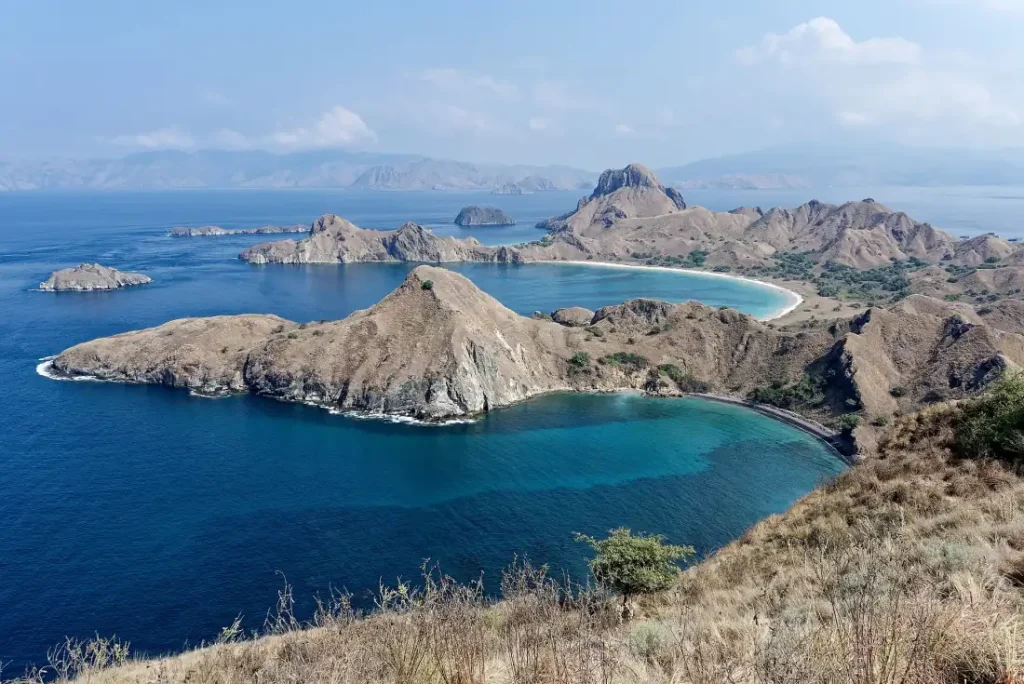
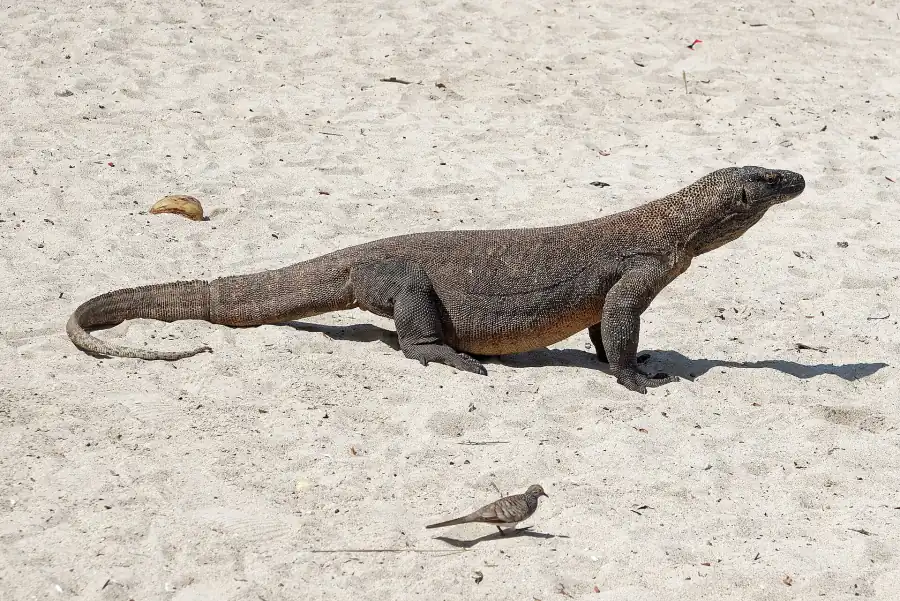
Indonesia is home to a diverse range of wildlife, and responsible tourism can help preserve these natural treasures. The Komodo National Park, a UNESCO World Heritage Site, offers guided tours where visitors can observe the famous Komodo dragons in their natural habitat. To minimize impact on the environment and ensure visitor safety, tours are conducted by trained local guides with prices starting from USD 100 per person. The park’s efforts in conservation have also focused on protecting the fragile ecosystems surrounding the dragons, including coral reefs and mangroves.
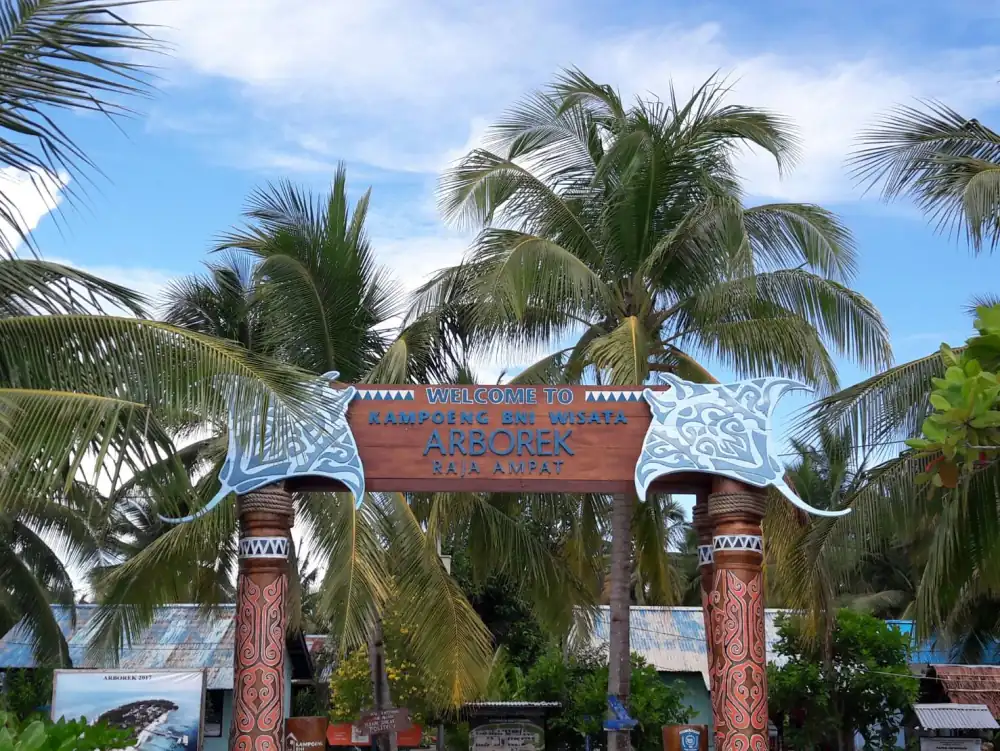
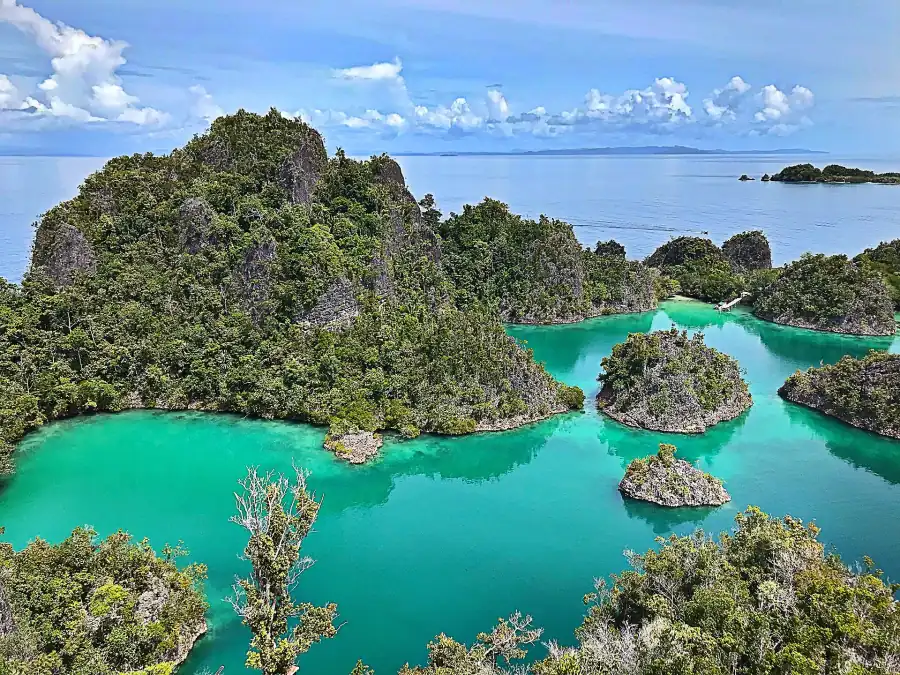
For marine enthusiasts, the Raja Ampat archipelago provides diving opportunities, with some of the richest marine biodiversity on the planet. Luxury liveaboard trips are available, allowing travelers to explore the underwater beauty while adhering to strict environmental guidelines to protect the coral reefs. These trips typically range from USD 3,000 to USD 5,000 for a week-long expedition. Diving spots like Cape Kri and Misool offer remarkable underwater vistas, making Raja Ampat a top destination for diving aficionados.
Cultural Heritage and Local Community Engagement
Experiencing Indonesia’s cultural heritage while supporting local communities is a cornerstone of sustainable tourism. Amanjiwo hotel in Yogyakarta stands out for its proximity to Borobudur Temple, a UNESCO World Heritage Site, and its dedication to sustainable practices. Guests can enjoy guided tours of the temple at a fee of approximately USD 60, with the opportunity to learn about Javanese history and culture. The hotel also hosts traditional Javanese dance performances and culinary workshops, providing guests with an immersive cultural experience.
In Bali, the Green School offers visitors educational tours focused on sustainability and innovation in education. This unique school uses bamboo structures and promotes a green curriculum, drawing visitors from around the world interested in sustainable development. Tours are available for USD 35 per person, providing insights into how education can drive community change. The school also runs community outreach programs that aim to enhance local environmental awareness and education standards.
Gastronomy and Sustainable Dining
Indonesia’s culinary scene offers an opportunity for luxury travelers to enjoy authentic local flavors prepared using sustainable practices. Locavore, a renowned restaurant in Ubud, Bali, emphasizes farm-to-table dining and sources ingredients from local farmers. A meal here is an experience in itself, with a tasting menu priced at around USD 70 per person, featuring innovative dishes that highlight the best of Indonesian produce. The restaurant also offers cooking classes, allowing visitors to learn the art of Balinese cooking using sustainably sourced ingredients.
For those seeking a culinary journey in Jakarta, Namaaz Dining offers a molecular gastronomy experience that transforms traditional Indonesian dishes into modern masterpieces. The restaurant is committed to sustainability in its operations and uses locally sourced ingredients. The dining experience is priced at around USD 130 per person and offers a unique perspective on Indonesian cuisine. Special events, such as guest chef collaborations, further enhance the dining experience by showcasing diverse culinary talents.
Luxury Eco-Tourism Activities
Indonesia’s diverse landscapes provide ample opportunities for luxury eco-tourism activities during the dry season, from May to September. In Bali, travelers can participate in eco-friendly yoga retreats that offer tranquility and luxury combined with environmental responsibility. These retreats, such as those offered by The Yoga Barn, focus on wellness and mindfulness, with packages starting at USD 1,000 for a week. Participants can also join workshops on sustainable living and mindfulness practices that emphasize eco-consciousness.
For those interested in adventure, the Mount Rinjani trek on Lombok Island offers a challenging yet rewarding experience. Luxury trekking tours ensure minimal environmental impact, with experienced guides and eco-friendly camping equipment. The cost for a guided trek typically starts at USD 350 per person, offering a sustainable way to explore one of Indonesia’s most striking natural landscapes. The trek includes visits to local villages, providing opportunities for cultural exchange and support for local economies.
The Role of Technology in Supporting Sustainable Tourism
Technology plays a significant role in promoting sustainable tourism in Indonesia, offering tools and platforms to enhance eco-friendly travel experiences. Apps like GreenWay facilitate the discovery of sustainable travel options, helping tourists make informed decisions about accommodations, dining, and activities with minimal environmental impact. These technological innovations also include virtual reality tours, allowing prospective travelers to explore destinations before booking, thus reducing unnecessary travel.
Furthermore, many luxury resorts in Indonesia have embraced technology to improve energy efficiency and waste management. The Alila Villas Uluwatu in Bali, for example, uses an integrated water management system and sustainable architecture to reduce its ecological footprint. Such innovations not only enhance guest comfort but also contribute to the broader goal of sustainable tourism development. The resort’s commitment to green technology includes solar panels and waste recycling systems, showcasing a model for responsible luxury tourism.
Adventure and Outdoor Luxury Experiences
The dry season in Indonesia, spanning from May to September, presents the perfect opportunity for adventure and outdoor luxury experiences. The island of Flores offers luxury sailing adventures around its notable waters, allowing guests to explore remote islands in style. These charters, which can range from USD 2,500 to USD 4,500 for a multi-day excursion, provide personalized itineraries that include beach picnics, snorkeling, and cultural excursions to local villages.
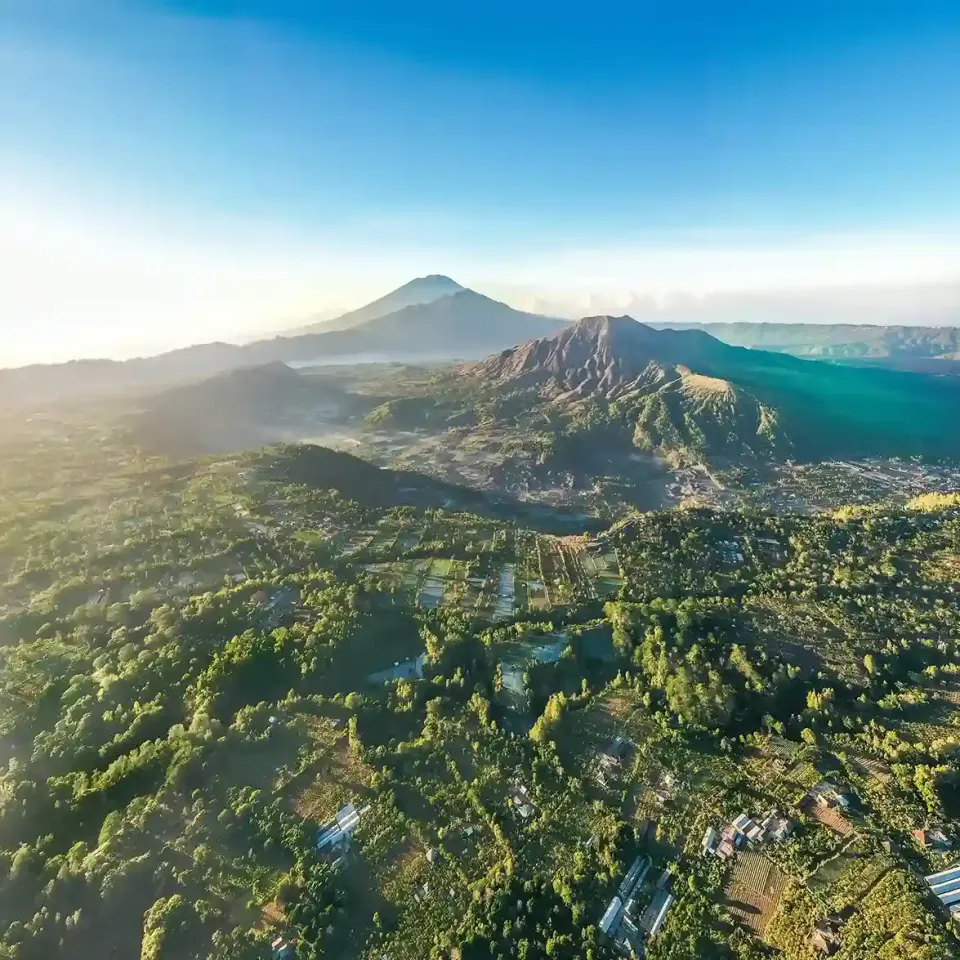
In Java, luxury hiking tours to Mount Bromo offer a remarkable view of the active volcano at sunrise. These tours, priced at around USD 1,200 for a weekend package, are designed to provide comfort while ensuring sustainable practices are followed. The tours include interactions with local Tenggerese communities, offering a glimpse into their unique cultural heritage and traditions.
FAQs
Q? What makes a luxury resort in Indonesia sustainable? A: Sustainable luxury resorts in Indonesia integrate eco-friendly practices such as energy-efficient technologies, waste reduction systems, and support for local communities. They often prioritize the use of local materials and engage in activities that promote environmental conservation.
Q? When is the best time to experience luxury eco-tourism in Indonesia? A: The best time for luxury eco-tourism in Indonesia is during the dry season, from May to September. This period offers optimal weather conditions for outdoor activities and exploring the country’s natural beauty while minimizing environmental impact.
Q? How can travelers ensure their trips contribute positively to local communities? A: To ensure positive contributions to local communities, travelers should choose tour operators and accommodations that prioritize community engagement, support local businesses, and engage in practices that benefit the environment and the local economy.
For wider arrangements, our partner baliluxurytransport can coordinate end to end.
See also: Future of Luxury Travel in Indonesia 2025 Trends · Home.
Leave a Reply